How to Sell Art for the Holidays: A Plan for Black Friday and the Holiday Season
The holiday season is the best selling window of the year for artists, but only if you prepare before November. Here is the practical plan, from inventory to tent sales.

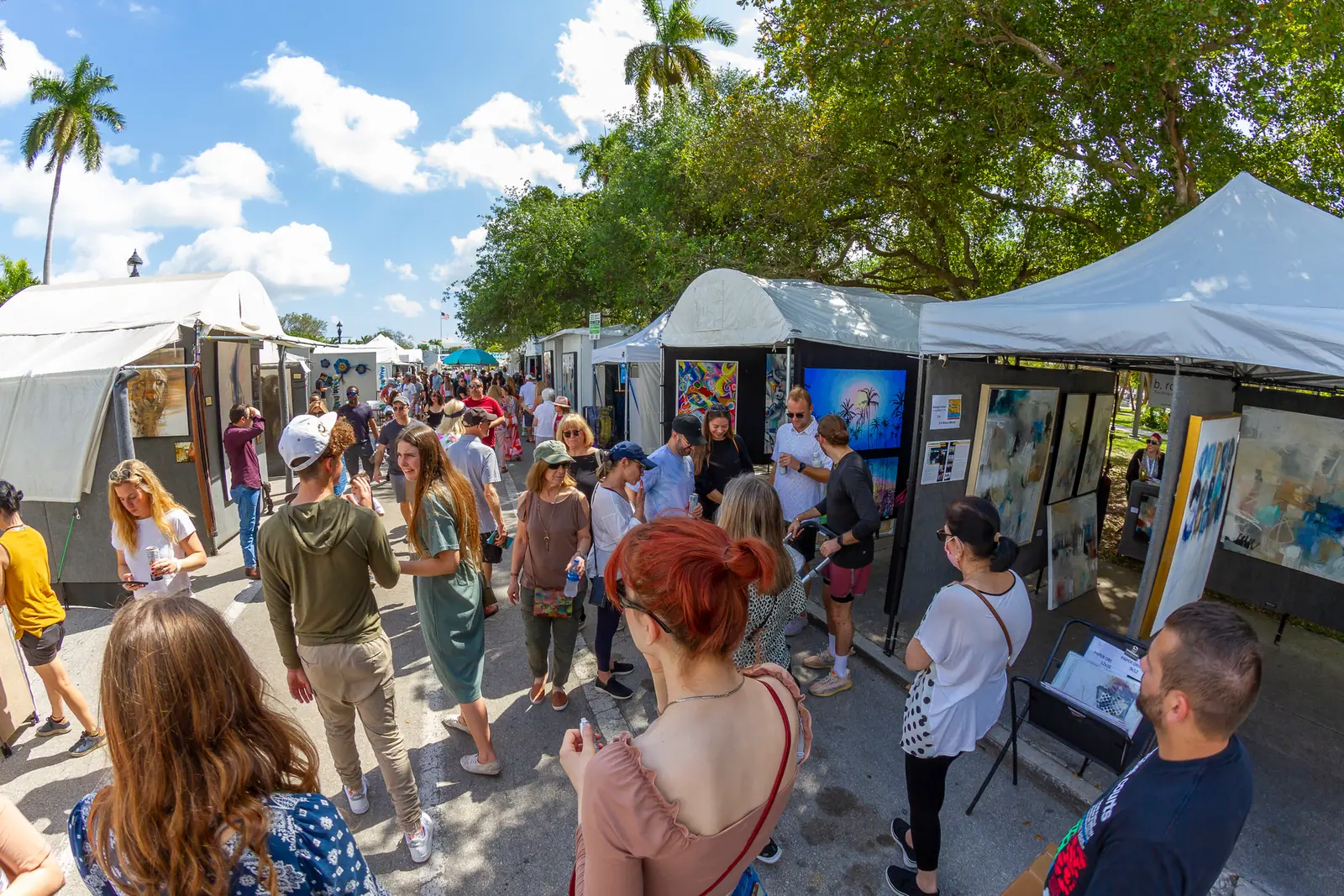
To sell art for the holidays, prepare early and plan deliberately. Curate a mix of originals, prints, and small giftable pieces so you have something at every price point, then run limited-time Black Friday offers that reward fast buyers without cheapening your work. Market those offers weeks in advance through email and social media, polish both your booth and your website, and use tent sales to connect with buyers face-to-face. That is the whole plan, and the artists who win the season are simply the ones who start it before November.
Here is the thing most artists get wrong: they treat the holidays as a thing that happens to them in late November, instead of a season they build toward. The holiday window, from Black Friday through the markets and tent sales of December, is one of the most powerful selling stretches of the entire year. Collectors and gift-givers are actively looking for something meaningful to buy. Art is exactly that. But competition is high, and the people who stand out are the ones who prepared in advance. At Milan Art Institute, we believe artists can build thriving businesses, and a real part of that is being intentional about when and how you sell.
Why does the holiday season matter so much for artists?
The holiday season matters because buyers are already in a buying mood, and art makes an extraordinary gift. People are actively searching for meaningful, lasting purchases, and a piece of original art carries beauty and value that a typical gift never will. The catch is that everyone selling anything is competing for the same attention during these weeks. Only the artists who plan ahead, with the right inventory, the right pricing, and the right promotion in place, actually capture that demand instead of watching it pass by.
This is not about working harder in December. It is about deciding now what you will sell, who you are selling it to, and how they will hear about it, so that when the season arrives you are ready to say yes instead of scrambling.
How do you prepare your art business for Black Friday and holiday sales?
Prepare by working through five concrete steps before the rush begins: curate your inventory, build limited-time offers, polish your presentation, market early, and plan your logistics. Each one removes a point of friction between a curious shopper and a completed sale. Here is how to work through them.
1. Curate your inventory
Start by taking honest stock of what you have and what you can realistically finish before the holiday rush. Smaller works tend to sell well this time of year because they are more accessible as gifts, so think in terms of a mix rather than a few large originals. Offer originals for collectors, prints for the budget-conscious, and small creative items like ornaments or cards for the casual gift-buyer. A range of options means almost anyone who stops can walk away with something. If prints are new to you, how to make prints of paintings walks through turning one painting into many giftable price points.
2. Create limited-time offers
Black Friday runs on urgency, so give buyers a reason to act now rather than later. Consider early-bird specials, exclusive bundles, or a discount available only that weekend. These offers do not have to undervalue your work. They simply reward collectors for moving quickly, which is a very different thing from training your audience to wait for a sale. If you are unsure where your numbers should sit before you discount anything, anchor them first with how to price your paintings.
3. Polish your presentation
Presentation is everything, both in person and online. For tent sales or markets, prepare a booth that looks professional, inviting, and cohesive, so browsing feels easy and your best work is the first thing people see. For online sales, update your website, polish your product photos, and make checkout as seamless as possible. Every point of confusion is a place where a ready buyer quietly changes their mind, so smooth those edges before the traffic arrives.
4. Market in advance
Do not wait until the week of Black Friday to announce your offers. Build anticipation through email campaigns, social media teasers, and behind-the-scenes glimpses of what is coming, so your audience is warmed up before anything goes live. Let your collectors know something special is on the horizon. By the time you open the offer, the people most likely to buy already know it exists and have been waiting for it.
5. Plan for logistics
Make sure you are ready with packaging, shipping materials, and a reliable system for handling orders before the first sale lands. A beautiful unboxing experience does more than delight a buyer in the moment. It encourages repeat sales and word of mouth long after the package arrives. When you ship original work, how to ship artwork safely covers protecting a piece so it reaches its new home intact.
How do you sell art at a tent sale?
Sell art at a tent sale by designing the space intentionally, offering a range of price points, engaging buyers personally, and being ready for volume. Tent sales are a timeless and highly effective way to connect with your community face-to-face. They bring art into accessible, lively settings where buyers are often ready to make spontaneous purchases, which makes them one of the best tools in the holiday season. Here is how to make the most of one.
- Design your space intentionally. Create a flow that draws people in and highlights your best work. Use clear signage and attractive displays so browsing feels effortless and inviting.
- Offer a range of price points. Small, affordable items attract casual shoppers, and those first small purchases often lead to larger sales down the line. A low-risk entry point earns you a customer you can sell to again.
- Engage personally. Unlike online sales, a tent sale gives you the chance to share the story behind your work. A genuine conversation can transform a curious passerby into a lifelong collector.
- Be ready for volume. These events can generate significant sales in a short window. Keep plenty of inventory on hand and a system for quick transactions so you never lose a sale to a slow line.
When done well, tent sales do more than boost holiday revenue. They build the relationships and brand recognition that keep paying off long after the season ends. For more on selling in person near where you live, how to sell art locally goes deeper on markets, shows, and your local community.
What about holiday sales beyond Black Friday?
Holiday sales run well beyond a single Friday, so treat Black Friday as the kick-off rather than the whole event. The entire season, from late November through December, offers chances to reach collectors: tent sales, art fairs, and online promotions all extend your reach and create multiple touchpoints. Each one is another moment for a buyer to discover you, and the artists who show up across the season, not just for one weekend, tend to finish far ahead.
Spreading your effort also protects you from putting everything on one date. If a single weekend underperforms, a steady drumbeat of December offers and appearances gives you several more chances to make the season a success.
How do you make this season your most successful yet?
Make it your best season by curating, planning, and promoting now instead of reacting later. Preparation is what turns the holidays from a stressful scramble into a stretch of real abundance. Start sorting your inventory, designing your offers, and warming up your audience well ahead of time, and you will welcome collectors with confidence instead of catching up to them. The season is coming fast either way. The only question is whether you will be ready when it arrives.
It is also worth saying plainly: all of this rests on having art worth selling. You can master networking, pricing, and presentation, but none of it matters without work that people genuinely want to live with. If you want to create art that you love and that others will love too, the surest path is developing your skills with intention. A free, structured way to start is our Two Week Challenge, a guided plan for making real paintings instead of just reading about it. When you want to keep building the business side, the rest of the sell and price your art collection is here whenever you are ready.
Frequently asked questions
How do I start selling art for the holidays?
Start months before the season, not the week of Black Friday. Take stock of what you already have and what you can finish in time, then build a mix of originals, prints, and small giftable items so you have something at every price point. From there, plan your offers, your presentation, and your marketing calendar so everything is ready before buyers start shopping.
What kind of art sells best during the holidays?
Smaller, more affordable work tends to sell best at the holidays because it reads as an accessible gift. Originals still sell, but prints, ornaments, cards, and small pieces invite casual shoppers who may become collectors later. Offer a clear range of price points so a curious browser can buy something without hesitation.
Should I discount my art on Black Friday?
You can, but a discount is not the only tool and it should never quietly devalue your work. Early-bird specials, exclusive bundles, or a single weekend-only offer create urgency while rewarding collectors for acting quickly. The goal is to make buying feel timely, not to train people to wait for your work to go on sale.
How early should I market my holiday art sale?
Begin building anticipation weeks ahead of the season instead of announcing offers the week they go live. Tease what is coming through email campaigns, social media posts, and behind-the-scenes glimpses of new work. When collectors already know something special is on the horizon, your launch lands on a warmed-up audience instead of a cold one.
Are tent sales worth it for selling art?
Yes, tent sales are one of the most effective ways to sell art and build relationships at the same time. They put your work in front of people in a relaxed setting where spontaneous purchases are common, and they let you share the story behind each piece in person. Done well, a single weekend can drive real revenue and create collectors who return for years.
What to practice this week
- Take inventory this week: list every finished piece plus what you can realistically complete before the rush, then sort it into originals, prints, and small giftable items.
- Design one holiday offer that creates urgency without devaluing your work, such as a weekend-only bundle or an early-bird price, and set the exact dates now.
- Build a four-week marketing calendar of email and social teasers leading up to your launch so collectors know something is coming before it arrives.
Supplies used

About the author
More from Elli