How to Ship Artwork: A Step-by-Step Guide to Shipping Art Safely
Someone fell in love with your work. Now it has to reach them in one piece. Here is how to ship art safely, choose the right shipping service, and turn the unboxing into a moment your collector remembers.

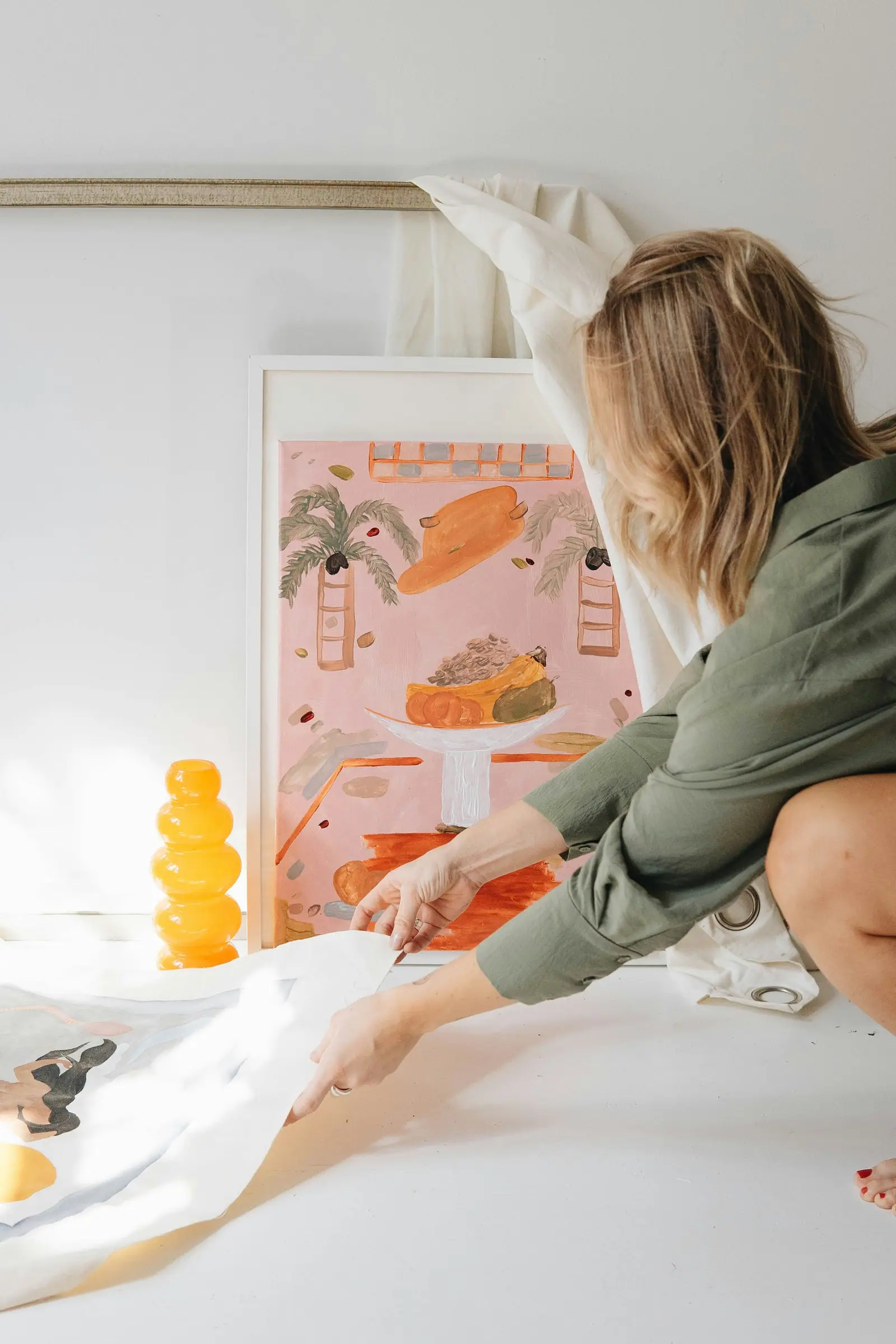
To ship artwork safely, decide first whether you are sending a print or an original, then pack it in acid-free paper, corner protectors, bubble wrap, and a rigid box or mailer sized to the piece. Choose a carrier that gives you tracking and insurance, declare the full value, and run a quick checklist before you seal the box. Do that, and your work arrives in one piece and makes a strong first impression.
You finished the piece. Someone fell in love with it. Now comes the part nobody romanticizes: getting it safely into their hands. Whether you are shipping across town or across an ocean, you have two jobs at once. Protect the art, and make the moment it arrives feel like part of the art. Here is how to do both, step by step.
How do you ship prints versus originals?
Prints and originals get packed differently, so decide which you are sending before you reach for the tape. Prints are lighter and far more forgiving. Originals carry texture, paint layers, and varnish that make them fragile, which means they need real protection, not just a bigger envelope.
For prints, you have two clean options. Send flat prints in rigid mailers with a backing board so they cannot bend in transit, or roll larger prints in sturdy mailing tubes with a protective sleeve inside. For originals, build in more cushioning: layers of padding, corner protectors, and a sturdy box that can survive being dropped, stacked, and squeezed. If you want to keep costs down on bigger originals, you can build your own custom box from loose cardboard sheet panels cut to fit the piece exactly. A snug box moves less, and a piece that does not shift is a piece that does not get damaged.
If selling prints is new territory for you, our guide on how to sell art prints covers the production and pricing side that comes before any of this.
What packing materials do you need to ship art?
You need acid-free wrapping, edge protection, cushioning, a rigid container, and clear labeling. Good packing materials are not an expense, they are an investment in your reputation as a professional. A collector who opens a beautifully packed box trusts you more, and trust is what turns a one-time buyer into a repeat one.
Keep these on hand so you are never scrambling when an order lands:
- Glassine paper or acid-free tissue to protect the surface without sticking to it
- Cardboard corners to guard the vulnerable edges of frames and panels
- Bubble wrap for safe, even cushioning around the whole piece
- Rigid mailers or sturdy boxes, sized to your artwork’s type and dimensions
- Mailing tubes for rolled prints, with protective sleeves inside
- Packing tape, fragile stickers, and clear address labels to seal and signal care
One thing to avoid: newspaper, or any material that can smudge, transfer ink, or scratch the surface. The cheap shortcut is the one that ruins a sale.
What is the best shipping option for artwork?
The best shipping option is whichever carrier gives you tracking, insurance, and a fair rate for your size and destination. For most artists, that means comparing a few services rather than defaulting to whichever counter is closest.
For shipping within the USA, domestic delivery is usually straightforward. USPS, UPS, and FedEx all provide tracking and insurance. A rate-comparison service like PirateShip.com lets you compare prices and print discounted USPS or UPS labels from home, which is fast, easy, and often the cheapest route available.
For shipping overseas, slow down and do your homework. International shipping brings customs forms, tariffs, and taxes, and every country sets its own import rules. Choose a Priority or Express International option to reduce handling time and risk, declare your artwork’s value honestly on every customs form, and insure it for the full amount. The extra hour of research up front is far cheaper than a piece stuck in customs or lost without coverage.
How do you make the unboxing feel special?
Make the unboxing feel special by treating it as the final brushstroke, not an afterthought. Opening your artwork should feel like a moment of connection between artist and collector, and the small touches are what people remember and post about.

A few easy ways to elevate the experience:
- Add a thank-you note or a short, handwritten story about the piece
- Include a business card or insert with your website and social links
- Use branded tissue paper, ribbon, or stickers so the presentation feels intentional
- Consider a light scent, a wax seal, or a personal message for one more layer of care
You are not just shipping an item. You are sending a memory the collector gets to keep. When someone receives your work beautifully packaged, they feel the heart behind it, and that feeling is what brings them back for the next piece and tells their friends about you.
What professional details should you include before sealing the box?
Before sealing the box, add the documentation and final touches that mark you as a professional, then run a checklist. A certificate is the single detail that most separates a hobby sale from a professional one.
A certificate of authenticity adds credibility and helps the collector verify the work is your genuine creation. Include the title, medium, size, date, edition number if it applies, and your signature. Print it on cardstock and tuck it into a clear sleeve or envelope inside the package. For a deeper look at what to put on one and why it protects both of you, see our guide to a certificate of authenticity for art. If you are sending prints, you can go a step further by adding small painted embellishments to each one, which raises both the uniqueness and the value.
Then, before you seal anything, run this quick final check:
- ✅ Surface wrapped in acid-free paper or glassine
- ✅ Cushioned with bubble wrap and corner protectors
- ✅ Certificate and thank-you note included
- ✅ Box sealed securely with all labels visible
- ✅ Tracking and insurance confirmed
That checklist takes two minutes and saves you from the one mistake you only notice after the box is taped shut.
Ship with confidence
Shipping your artwork does not have to be stressful. Knowing your artwork type, packing carefully, choosing a carrier with tracking and insurance, personalizing the experience, and adding professional documentation are the five moves that get your work there safely and beautifully every time.
Your package is more than protection. It is a reflection of your care, ready to travel from your studio to the world. Once the piece is on its way, the natural next step is making sure the next one is too, whether that means photographing your work for prints, learning how to display artwork in a gallery, or simply keeping your unsold pieces safe with the right storage habits for paintings. For everything around pricing, selling, and the business side of your art, our full collection on how to sell and price your art is here when you want it.
If you are early in your journey and shipping your first sold piece feels a long way off, that is exactly where to start. Our free Two Week Challenge helps you build the skills and confidence to make work worth shipping in the first place.
Frequently asked questions
How do you ship a painting safely?
Wrap the surface in glassine or acid-free tissue, protect the edges with cardboard corners, cushion the whole piece in bubble wrap, and place it in a rigid box or mailer sized to the work. Seal it securely, mark it fragile, and ship with a carrier that provides tracking and insurance so a mishandled package is still covered.
What is the best way to ship art prints?
Prints are lighter and simpler than originals. Send flat prints in rigid photo mailers with a backing board so they cannot bend, or roll larger prints in sturdy mailing tubes with a protective sleeve inside. Either way, keep the print off the bare cardboard with acid-free tissue so the surface stays clean in transit.
How do you ship artwork internationally?
Shipping art overseas means dealing with customs forms, tariffs, and each country's import rules, so research the destination before you send. Choose a Priority or Express International service to cut handling time, declare the artwork's value honestly on the customs paperwork, and insure it for the full amount in case of loss or damage.
How much does it cost to ship artwork?
Cost depends on size, weight, distance, and how much insurance you add. A small domestic print can ship for a few dollars, while a large insured original sent internationally can run much higher. Comparing carrier rates side by side, rather than walking into one shipping counter, is the simplest way to keep the price reasonable.
Do I need to insure artwork when I ship it?
Yes, insure anything you would not want to replace out of pocket. Carriers like USPS, UPS, and FedEx all offer insurance, and the cost is small next to the value of an original or a sold commission. Pair insurance with tracking so you can prove the package's journey if a claim ever comes up.
What to practice this week
- Before your next sale ships, build a small packing kit: glassine or acid-free tissue, cardboard corners, bubble wrap, a few rigid mailers and tubes, packing tape, and fragile stickers, so you are never scrambling when an order comes in.
- Compare live shipping rates for one real package across at least two carriers before you buy a label, so you learn what a fair price looks like for your typical sizes.
- Write one short thank-you note and design a simple insert card with your website and socials, then include them in every package so the unboxing always feels finished.
Supplies used

About the author
More from Elli