How to Make Prints of Paintings: A Step-by-Step Guide for Artists
Prints let one finished painting reach many more collectors and earn again and again. Here is how prints are actually made, what to print on, and how to sell them well.

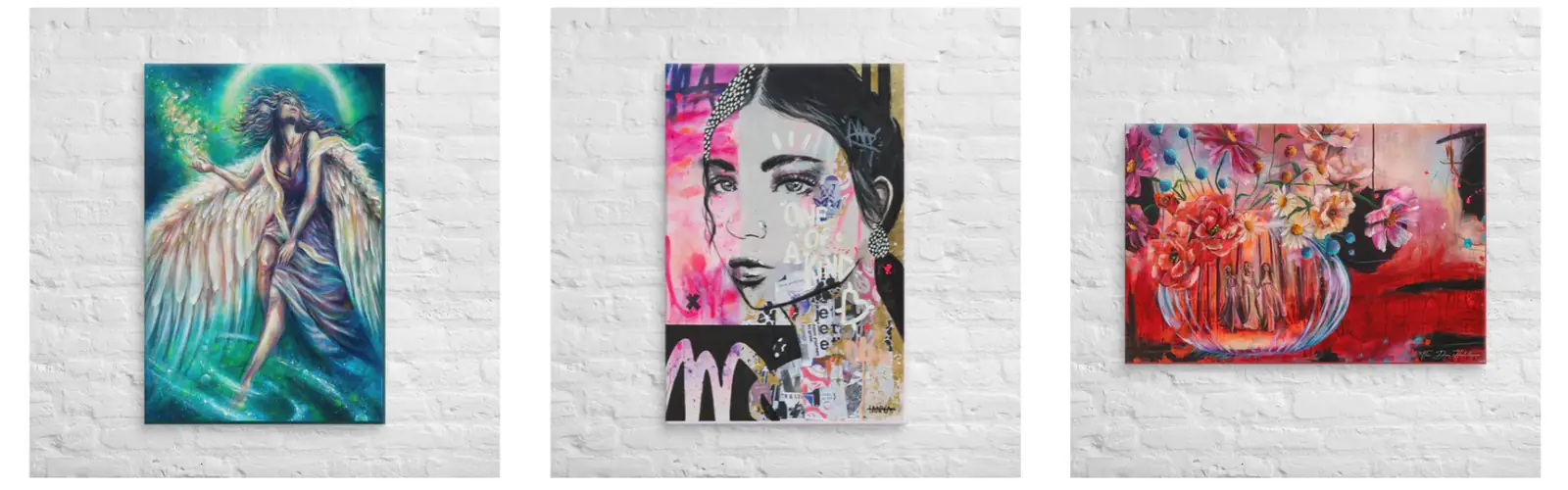
To make prints of paintings, capture the original as a high resolution digital file, color correct it so it matches the painting, and send that file to a professional print provider who prints it with archival inks onto canvas, fine art paper, or photo paper. Before you list anything for sale, order samples and check the color, paper, and finish in person. Then decide on sizes and whether each piece is an open edition or a limited one. That is the whole process, and it lets a single finished painting reach far more collectors than the original ever could.
Here is the thing about prints: they are one of the smartest moves you can make as an artist. When someone loves a painting but is not ready for the investment level of an original, a print gives them a way to say yes. That builds trust, rapport, and long-term collector relationships, and it turns a piece you have already finished into an asset that keeps earning. In true Milan Art fashion, we are going to walk through the practical steps, from how prints are actually made to how to build print drops that feel like an event.
How are prints of paintings made?
Prints of paintings are made by turning the original into a high resolution digital file, color correcting it to match the painting, and printing that file with archival inks. The capture and the file matter as much as the printing, so this is where quality is won or lost.
- Capture the original at high resolution. Photograph or scan the painting in flat, even light with no glare, square to the surface so the image is not distorted. Shoot at the highest resolution your camera allows, because you cannot add detail later that you did not capture. Our full walkthrough on how to photograph artwork for prints covers lighting and setup without a studio.
- Color correct the file. The raw photo almost never matches the painting on the first try. Correct the color and contrast until the file reflects the real piece, so a collector receives the painting you actually made, not a washed out version of it.
- Keep a master file. Save a high resolution, properly cropped, color corrected master file for every painting you print. This single file ensures consistent quality every time you reorder, and it saves you from re-shooting the same piece down the road.
- Send it to a professional printer. The provider prints your master file with archival pigment inks onto your chosen surface. You are not buying a home printer for this. Professional labs hold color and detail at a level that is hard to match on your own.
How do you order samples before you sell?
Order samples from professional print companies before you ever list a print for sale, because color accuracy, paper texture, and weight all change the feel of the final print. Seeing it in person is the only way to know what your collector will receive.
Here are trusted print providers many artists use:
- Printify. Great for affordable print on demand, a wide variety of products, and international shipping. Ideal for artists who want flexible choices and easy fulfillment.
- Printful. Known for high consistency, reliable color accuracy, and smooth integrations with online shops. Excellent for streamlined order processing and dependable quality.
- FinerWorks. Specializes in museum grade fine art printing, including giclee prints and high end papers. Perfect for artists who want premium quality for collectors.
- Prodigi. Great if you want a very large product catalog, good global fulfillment, and flexible packaging and branding. A strong fit if you plan to offer prints plus merchandise.
- Gelato. A global print on demand network with fulfillment centers in many countries, which helps with shipping speed and cost for international buyers. Good for wide scale or global audiences.
- Fine Art America. Designed specifically for artists and fine art prints. Good if you want a marketplace oriented toward art buyers rather than generic merchandise shoppers.
- Pictorem. Recommended if you want high end, gallery grade canvas or giclee prints. Their offerings lean toward museum quality presentation, which works well for serious collectors.
When your samples arrive, check them carefully. Look at color accuracy, paper type, canvas versus paper, matte and gloss finishes, corner and edge quality, and packaging quality. Lay the samples out side by side and choose the option that best reflects the character of your art.
What paper and print quality should you choose?
Different prints call for different materials, and your medium, color palette, and artistic voice help determine the best fit. There is no single right answer, only the right match for your work.
- Canvas prints. Canvas mimics the look of a painting, so it works beautifully for impressionistic, expressive, or textural art. It also looks ready to hang straight out of the box.
- Giclee prints. These are high quality inkjet prints made with archival inks. They offer rich color, fine detail, and a longevity that collectors appreciate. Giclee is the standard when you want gallery grade prints.
- Fine art papers. Premium papers create a luxurious, tactile feel for prints meant to look and feel high end. Popular choices include Hahnemuhle, cold pressed watercolor papers, smooth cotton rag, and textured archival papers.
- Photo paper. Shiny, crisp, and vibrant, photo paper is great for bold colors, photography inspired work, or pop art aesthetics. It is usually the most cost friendly option, which makes it a smart starting point.
How do you plan a quarterly print drop?
Plan a quarterly print drop by releasing a small, curated set of prints only a few times a year, which turns an ordinary print sale into an exciting event your collectors anticipate. Scarcity and timing do a lot of the selling for you.
- Choose your release dates. Pick four intentional release windows per year, such as the beginning of each season, and announce them early so your audience knows to anticipate them.
- Curate a small selection. Limit each drop to three to eight pieces. Curation adds exclusivity, which collectors love, and it keeps each release from feeling diluted.
- Build hype in advance. Use sneak peeks, studio shots, close ups, behind the scenes stories, and countdowns to create momentum before the drop goes live.
- Offer both open and limited editions. Limited editions build scarcity and can be priced higher. Open editions allow ongoing sales and keep your work accessible. Offering both serves collectors at different price points.
- Add bonuses during the drop window. Signed prints, small freebies, early bird pricing, or free shipping for day one buyers can create the urgency that turns interest into orders.
How do you sell prints through your website?
Sell prints through your website most easily by choosing a printing partner that connects directly to your online shop, so orders flow automatically from your store to your fulfillment partner. That means no manual uploading, no tracking spreadsheets, and no shipping headaches.
Print on demand services like Printify, Printful, and FinerWorks offer built in integrations for platforms such as Shopify, Wix, WooCommerce, and Etsy. Once connected, your artwork, product listings, and inventory sync with your shop, so collectors can order prints any time. The printer receives the order instantly, creates the print, and ships it without you needing to intervene.
This kind of system lets you focus on creating art instead of managing logistics. It also gives collectors a consistent, reliable buying experience, which builds trust and encourages repeat purchases. As your catalog grows, a fully integrated workflow becomes essential, and it is what makes your print business scalable and sustainable. For the bigger picture on listings, pricing, and platforms, see our guide on how to sell art prints.
What details make prints feel professional?
A handful of small touches separate amateur prints from professional ones, and most of them cost very little. These are the details collectors notice, even when they cannot name them.
- Sign your prints whenever possible. A signature adds value and authenticity. Even when using a fulfillment company, consider ordering batches to sign yourself.
- Number your limited editions. Collectors love knowing they are getting number 5 out of 25. Numbering adds real collectibility to a run.
- Offer multiple sizes. Three sizes is often ideal, such as 8x10, 11x14, and 16x20. More options mean more sales without overwhelming buyers.
- Create certificates of authenticity. These add legitimacy and professionalism, and they reassure serious buyers. Here is what to include on a certificate of authenticity for art.
- Brand your packaging. Tissue paper, thank you cards, stickers, or wax seals turn the print into an experience rather than a parcel.
- Keep a master file of print ready artwork. High resolution, properly cropped, color corrected files ensure consistent quality every time you print or reprint.
Quick answer
To make prints of paintings, photograph or scan the original at high resolution, color correct the file, and send it to a professional print provider. Order samples first to check color, paper, and finish. Choose canvas, giclee, fine art paper, or photo paper, then sell as open or limited editions with clean files and professional packaging.
Why prints are worth it
Offering prints is more than a business choice. It is a way to honor the power of your message and let it reach as many people as possible. Prints give you multiple price points, so collectors at every stage can participate in your creative world. They multiply the value of an original forever, because once a traditional original sells it is gone, but a print keeps that artwork earning. They bring beauty to more homes, and through quarterly drops they create the kind of recurring revenue that supports a real practice. For more on building income that repeats, read our guide on passive income for artists.
When collectors bring your art into their home, it becomes part of their story. Prints make that possible again and again. If you want to build the technique, the voice, and the business habits that turn creativity into a thriving career, the free Two Week Challenge is a guided way to start making work instead of just reading about it. And when you want to go deeper on the business side, the rest of the sell and price your art collection is here for you.
Frequently asked questions
How are prints of paintings made?
Prints of paintings are made by capturing the original as a high resolution digital file, color correcting it to match the painting, and printing that file with archival inks onto canvas, fine art paper, or photo paper. Professional providers handle the printing, and you order samples first to confirm the color, paper, and finish look right before selling.
How do I photograph a painting so it prints well?
Photograph the painting in flat, even light with no glare, square to the surface so it is not distorted, at the highest resolution your camera allows. Then color correct the file so the print matches the original. A clean, properly cropped, color corrected master file is what separates a sharp print from a muddy one.
What is the best paper for printing paintings?
It depends on your art. Canvas suits expressive, textural work and looks ready to hang. Giclee on fine art papers like cotton rag gives rich color and detail collectors prize. Photo paper is crisp, vibrant, and the most affordable, which suits bold or photographic work. Order samples and compare before deciding.
What is the difference between giclee prints and regular prints?
Giclee prints are high quality inkjet prints made with archival pigment inks on fine art paper or canvas, built to hold rich color and resist fading for decades. Regular prints often use cheaper inks and papers that fade faster. Giclee is the standard when you want gallery grade prints that serious collectors will pay more for.
Should I make open editions or limited editions?
Offer both. Open editions sell continuously with no cap, which keeps your work accessible and your income steady. Limited editions are capped and numbered, which creates scarcity, so you can price them higher. Numbering a limited run, like 5 of 25, adds collectibility that buyers genuinely value.
What to practice this week
- Photograph one finished painting in flat, even light, square to the surface, then color correct the file so it matches the original.
- Order a sample pack of the same image on canvas, giclee fine art paper, and photo paper, then lay them side by side and pick the one that best fits your work.
- Plan four print drop dates for the year, one per season, and pick three to eight pieces for your first release.
Supplies used
About the author
More from Elli