How to Clean a Paint Palette: Oil and Acrylic (Glass Palette Method)
A dirty palette muddies every color you mix on it. Here is the simple spray and scrape method that clears dried oil or acrylic paint off glass in a couple of minutes.

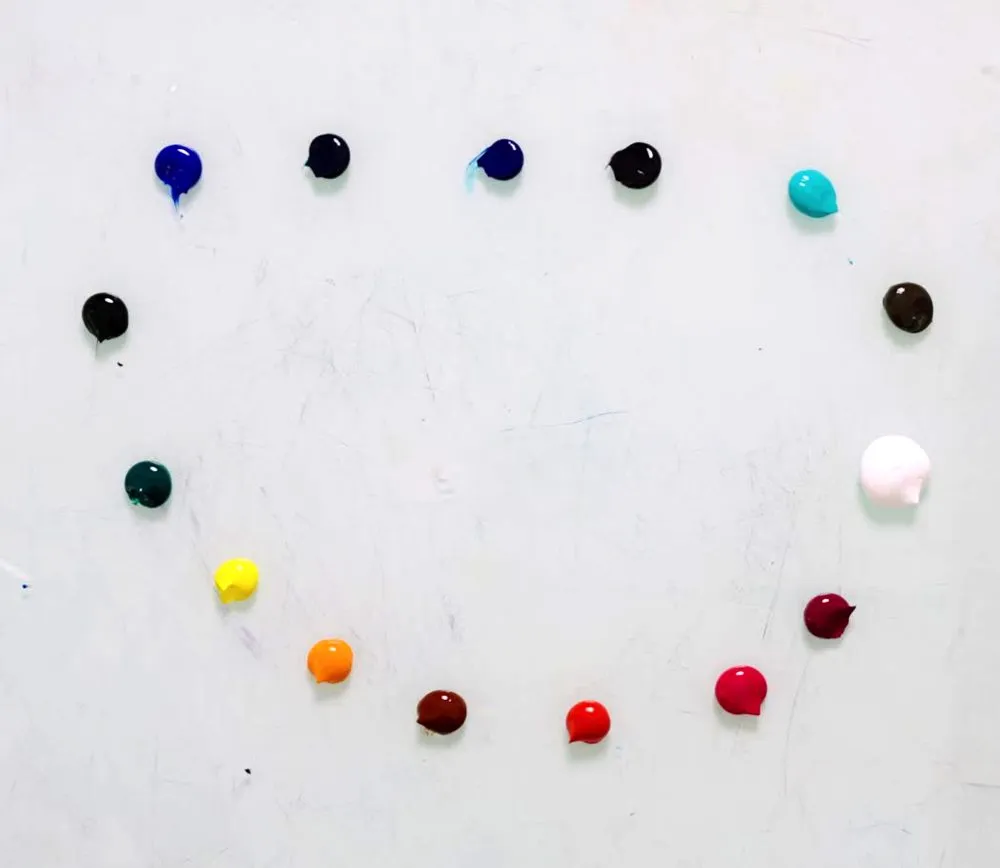
To clean a paint palette, secure your glass on a dry surface, spray it with the right solvent (water for acrylic, rubbing alcohol for oil), let it sit a couple of minutes to soften the paint, then scrape everything off with a razor and wipe it clean. That is the whole method, and it works on dried oil paint and dried acrylic alike. It takes about two minutes once you have done it a few times.
Why bother? Because a palette caked with old, dried paint quietly sabotages every color you mix on it. When you cannot see your colors clearly against a clean surface, your mixes drift off and your paintings turn out inaccurate at best and muddy at worst. A clean palette is not a tidiness habit. It is the difference between mixing the color you actually want and mixing something you only think you want.
What kind of palette does this method work on?
This method is for a glass paint palette, not plastic or wood. The reason is simple: a razor can ride flat across hard, smooth glass and lift dried paint without leaving a mark. Drag that same razor across plastic and you will scratch it, and across wood you will gouge it. So before you start, confirm that the surface you are cleaning is glass.
This is the same kind of palette we teach students to make in the Mastery Program: a large piece of glass affixed to a heavy board. It may not look like the small plastic palettes you are used to, but if your top surface is glass, this technique will clean it. The general principle holds for any glass painting surface, and it clears both dried acrylic and dried oil paint, even when you have mixed in a medium like linseed oil or galkyd.
What supplies do you need to clean a palette?
You need three cheap things, and you probably already own most of them. Here is the short list.
- A razor or craft knife. This is what lifts the dried paint off the glass. A craft knife, a single razor blade, or a scraper all work. The flat edge is what does the job, so keep it sharp.
- A spray bottle. Any small spray bottle works. The dollar store usually carries them, and so do hardware stores and most general stores like Walmart. Fill it with whichever solvent matches your paint.
- Water or rubbing alcohol. Which one depends on your medium. Water for acrylic, rubbing alcohol for oil. That single choice is the most important part of the whole process, so we will cover it next.
How do you clean a paint palette step by step?
Cleaning a glass palette is three steps: secure it, soften the paint, scrape it off. Here is exactly how to do each one.
- Secure your palette. Make sure the palette sits on a dry surface and will not slide around while you work. This is why we teach students to tape a sheet of glass to a heavy board with duct tape, because the weight steadies the palette and keeps it from shifting under the razor. A palette that slides while you are scraping is how fingers get cut, so this step matters more than it looks.
- Spray it and let it sit. If you painted in acrylic, spray the dried paint with water. If you painted in oil, spray it with rubbing alcohol instead, because alcohol breaks down oil paint and any oil medium in it the way plain water cannot. Either way, let the solvent sit for a couple of minutes so it can soak in and soften the paint before you touch it.
- Scrape the paint off. Once the paint has softened, run the razor or craft knife flat along the glass and lift the paint away. Keep your free hand well clear of the blade’s path at all times. Work across the whole surface until every bit of paint has come up, then wipe the glass down with a towel. You should be left with clear, clean glass ready for your next mix.
That is the entire process. The only real variable is the solvent, so the next section makes the oil and acrylic difference crystal clear.
Oil versus acrylic: which cleaner do you use?
Use water for acrylic and rubbing alcohol for oil. Acrylic paint is water based, so water alone is usually enough to soften dried acrylic and let the razor lift it off. Oil paint is not water soluble, so water will just bead up and do nothing on a dried oil palette. Rubbing alcohol is what breaks dried oil paint down, including any medium you mixed into it, like linseed oil or galkyd.
If you are unsure which you used, the smell and the feel give it away, but the safer move is simply to reach for alcohol, since it handles both. The takeaway is short: water for acrylic, alcohol for oil, and a couple of minutes of patience before you ever pick up the blade. Rushing the soak is the most common reason the paint does not come up cleanly.
A few more tips for keeping a clean palette
Clean your palette before every painting session, the same way you clean your brushes between uses. A clear surface lets you read your colors accurately, so your mixes stay honest instead of picking up muddy residue from the last painting. Building this into your routine takes seconds when the paint is freshly dried, and it saves you from fighting a thick, crusted-over palette later.
A couple of practical notes. Avoid this technique on wet paint, since wet paint smears across the glass instead of lifting off in clean sheets, so let it dry first. And if you ever want to paint outside, you can find a pochade box fitted with a glass palette, which lets you take this same easy cleanup on location. When you are building out the rest of your kit, our guide to essential art supplies covers what actually earns a place in your studio, and if oil is your medium, non toxic oil paint and paint thinner is worth reading before you stock up on solvents.
Your palette is just one tool in the rotation. Once it is spotless, the brushes are usually next, so here is how to clean your paint brushes so they last for years, and for the inevitable splatter on your clothes, how to get paint out of jeans and clothes has you covered.
Keeping a clean palette is a small discipline that makes every painting easier, because clean glass means true color, and true color means the painting in your head has a real shot at landing on the canvas. If you want a structured, supported way to actually start painting and build habits like this from day one, our free Two Week Challenge is built for exactly that. And when you want to keep sharpening your craft, the rest of the oil painting techniques collection is here.
Frequently asked questions
How do you clean a paint palette?
Secure your glass palette on a dry surface so it will not slide. Spray it with water if you used acrylic, or with rubbing alcohol if you used oil, and let it sit for a couple of minutes so the paint softens. Then scrape the loosened paint off with a razor or craft knife, keeping your fingers out of the path of the blade, and wipe the glass clean with a towel.
How do you clean an oil paint palette?
Spray the dried oil paint with rubbing alcohol rather than water, because alcohol breaks down oil paint and any medium mixed into it, like linseed oil or galkyd. Let it sit two or three minutes, then scrape the softened paint off the glass with a razor and wipe it down. Water alone will not cut dried oil paint, which is why alcohol is the key step for an oil palette.
How do you remove dried acrylic paint from a palette?
Spray the dried acrylic with water and give it a couple of minutes to soften, then scrape it off the glass with a razor or craft knife. Acrylic is water based, so plain water is usually enough to loosen it without any solvent. Once the paint lifts, wipe the surface clean with a towel and your palette is ready for the next session.
Can you use this method on a plastic or wooden palette?
This spray and scrape method is built for a glass palette, where a razor can ride flat across a hard, smooth surface without gouging it. A razor will scratch plastic and dig into wood, so it is not the right tool for those. If you paint on glass, this is the fastest, cleanest way to reset it between sessions.
How often should you clean your paint palette?
Clean your palette before each painting session, the same way you clean your brushes. Starting on a clear surface lets you read your colors accurately, so your mixes stay true instead of picking up muddy leftovers. Clean dried paint with this method, but avoid using it on wet paint, since wet paint smears instead of lifting cleanly.
What to practice this week
- Before your next session, clear your glass palette completely so you start on a clean surface and can read every color you mix accurately.
- Mix the same color on a dirty patch of old paint and on clean glass, and compare them, to see how much a dirty palette distorts what you think you mixed.
- Build the habit of cleaning your palette right after you finish painting, while the paint is freshly dried and lifts off in seconds.
Supplies used

About the author
More from Elli