Painting Aesthetic: What an Art Aesthetic Is and How to Define Yours
Technique you can learn anywhere. Aesthetic is what makes the work yours. Here is what an aesthetic actually is, how it differs from taste, and a simple way to uncover your own.

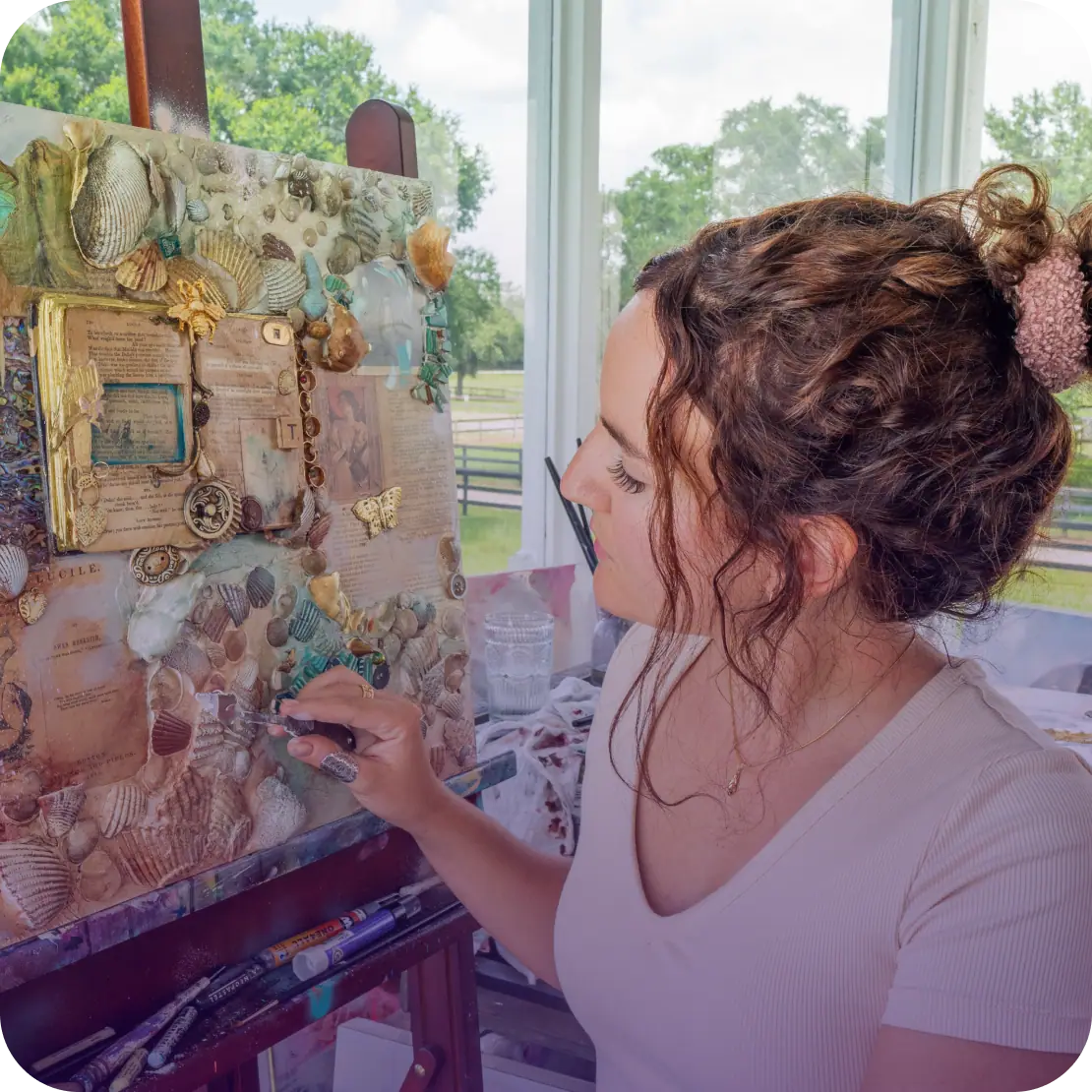
Your painting aesthetic is your instinctive, personal sense of beauty: the colors, moods, textures, and subjects you are naturally drawn to, and the symbolism that lives quietly in your subconscious. It is the visual language that feels like you. Every strong artist shares one thing, and it is not technique. It is that they know what they find beautiful. That inner compass shapes your voice, your style, and the way people experience your work. You can learn techniques forever, but without a clear aesthetic your art will feel scattered. The moment you understand yours, everything starts to align.
What is a painting aesthetic?
A painting aesthetic is your unique, instinctive perspective on beauty. It is the visual language you are drawn to, the moods and colors that feel like you, the textures and subjects that move your emotions, and the symbolism that lives in your subconscious. It shows up in your art, but it also shows up everywhere else: in the clothes you choose, the spaces you gravitate toward, the music that inspires you, and the environments where you feel most like yourself. It is not about what you think you should like. It is about what naturally lights you up.
That is the part most people miss. An aesthetic is not a style you adopt or a trend you copy. It is already in you, expressed in a hundred small choices you make without thinking. Learning to see it is the work.
What is the aesthetic definition in art, and how is it different from taste?
In art, aesthetic means the unique visual language that runs through your work, while taste is how that language shows up in what you choose. The two are connected, but they are not the same thing. Your aesthetic is internal. It is the blueprint of your inner sense of beauty and your personal reason why. Your taste is external. It is how that blueprint appears in what you consume, collect, wear, or live around.
Think of aesthetic as your inner design and taste as the things you select because of that design. Your artwork becomes the bridge that connects the two. When you paint, you are taking the private blueprint inside you and making it visible, which is why a clear aesthetic makes a body of work feel like it belongs to one person.
Is there a good or bad aesthetic?
There is no true good or bad aesthetic, but there is refined and unrefined aesthetic. Refined aesthetic is deep, specific, thoughtful, and personal. Unrefined aesthetic is more generic, surface-level, or copied from trends.
Trends themselves are not the problem. The problem is never looking beyond them. When you only follow what is popular, your work begins to feel interchangeable, and it could have come from anyone. Refining your aesthetic is what makes your art unmistakably your own. You can stay aware of where painting is heading while still building something that runs deeper than the moment.
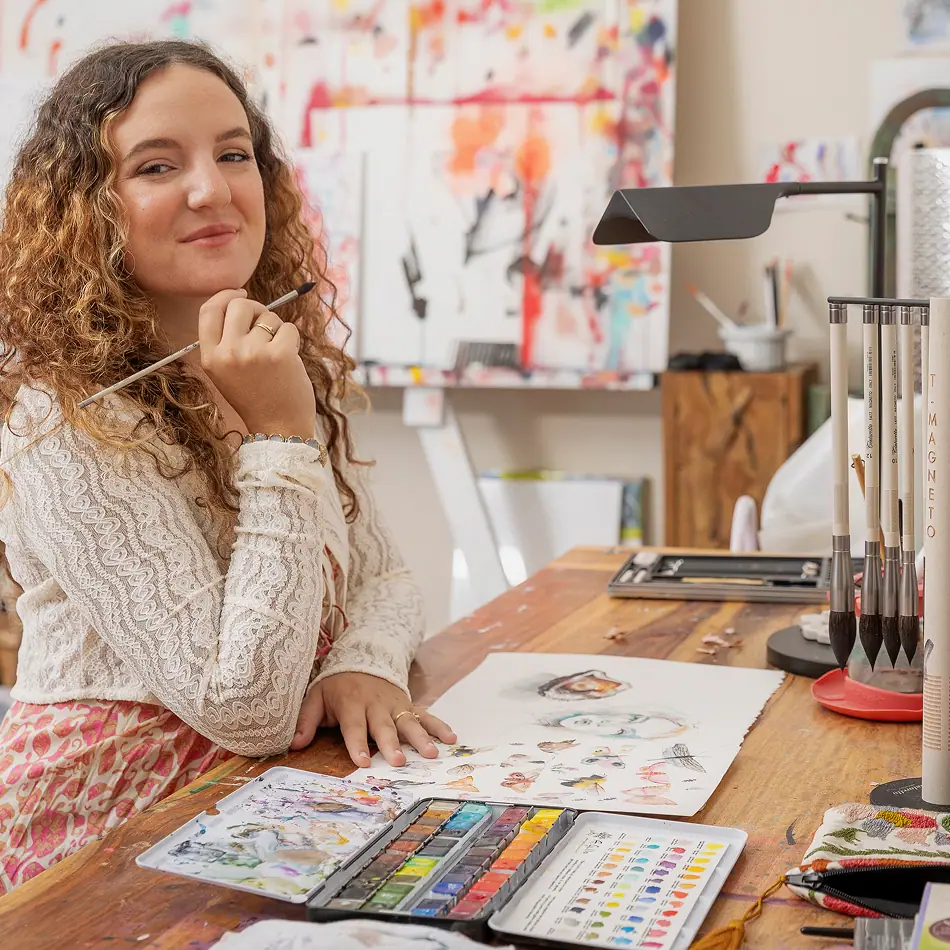
Why are society’s beauty standards so loud?
Much of what our culture celebrates as beautiful is shaped by celebrity culture, advertising, social media, and the people with the biggest platforms. It can feel like the world is constantly nudging everyone toward the same handful of preferences, which makes it harder to hear your own.
At the same time, more people are waking up to individuality. They are dressing differently, decorating differently, exploring niche aesthetics, and choosing art that feels personal rather than trendy. Artists and creatives are driving this shift toward more diverse ideas of beauty. The more you lean into your own voice, the more you help reshape what beauty can mean for everyone else.
Are we born with an aesthetic?
In many ways, yes. Every child begins life curious and creative. Over time, your experiences shape your aesthetic: what you loved growing up, the stories and places that influenced you, the challenges you faced, and the breakthroughs that changed you all play a role.
Sometimes your aesthetic gets buried under expectations, fear, or the desire to fit in. Part of the artistic journey is peeling back those layers until your true aesthetic becomes visible again. That uncovering is also how artists arrive at a recognizable style. You can see it in Dimitra Milan’s story, where a personal sense of beauty slowly became a body of work that could only be hers.

How do you discover your painting aesthetic?
Start by collecting images by instinct rather than logic. Use Pinterest or your camera roll and save anything that gives you an instant feeling of yes. Do not overthink it and do not censor yourself. Once you gather enough images, patterns begin to emerge. You will notice the kinds of colors, moods, textures, and subjects you return to again and again.
From there, ask yourself what those patterns mean. A love for dramatic light might reveal something about hope or transformation. A love for quiet, minimal spaces might point to a craving for peace. A fascination with wild forests might express a longing for freedom or instinct. Color is a language of its own here, and learning color symbolism in art helps you read what your palette is already telling you.
Your aesthetic is symbolic. It shows you what you value, what energizes you, and what you are meant to express. Naming it is the difference between guessing and knowing.
Why does aesthetic make or break an artist?
If you do not know your aesthetic, you will end up chasing trends, copying other artists, or second-guessing every creative decision. When you do know it, everything becomes clearer. You make faster decisions about color and composition. Your work becomes more consistent and recognizable. Collectors feel a stronger emotional connection to your art. Most importantly, you feel grounded in who you are creatively.
This is also why copying others early on is not a threat to your aesthetic but a tool for finding it. As you study work you admire and notice what you keep borrowing, your own preferences come into focus. We go deeper into that in why copying artists helps you find your style. Technique can be learned anywhere. Aesthetic is what makes your work yours.
A simple challenge to start refining your aesthetic
If this resonates, here is a simple way to begin. Create a private aesthetic board on Pinterest. Add at least 100 images that you genuinely find beautiful, choosing by instinct rather than logic. Write down 5 words that describe the overall mood of the board. Then ask yourself how you can bring more of that mood into your next painting.
Your aesthetic will keep evolving as you grow, but beginning this process gives you clarity, confidence, and a much stronger artistic voice. From here, the next step is turning that voice into a recognizable style, and our guides on how to find your art style and how to develop your own art style walk you through it. When you are ready to go further, the rest of our find your art style collection is here whenever you want it.
Frequently asked questions
What is a painting aesthetic?
A painting aesthetic is your instinctive sense of beauty made visible in your work. It is the colors, moods, textures, and subjects you are naturally drawn to, plus the symbolism that lives in your subconscious. It shows up not only in your art but in how you dress, the spaces you love, and the music that moves you. It is what naturally lights you up, not what you think you should like.
What is the aesthetic definition in art?
In art, aesthetic means the unique visual language that runs through an artist's work: their personal perspective on beauty. It covers the choices an artist makes about color, mood, texture, and subject, and the way those choices make a viewer feel. A clear aesthetic is what makes a body of work feel consistent and recognizable as belonging to one person.
What is the meaning of aesthetics?
Aesthetics is the sense of what you find beautiful and why. As an inner compass, your aesthetic is the visual language you are drawn to and the emotions certain colors, textures, and subjects stir in you. For an artist it is more than preference. It is the symbolic record of what you value, what energizes you, and what you are meant to express.
What is the difference between aesthetic and taste?
Your aesthetic is internal and your taste is external. Aesthetic is the blueprint of your inner sense of beauty, your personal reason why. Taste is how that blueprint shows up in what you choose to wear, collect, and live around. Think of aesthetic as your inner design and taste as the things you select because of it. Your artwork becomes the bridge that connects the two.
How do I find my painting aesthetic?
Collect images by instinct, not logic. Use Pinterest or your camera roll and save anything that gives you an instant yes. Once you have enough, patterns emerge: the colors, moods, textures, and subjects you return to. Then ask what those patterns mean. A pull toward dramatic light might point to hope or transformation. Your aesthetic is symbolic, and naming it gives you a stronger artistic voice.
What to practice this week
- Create a private aesthetic board on Pinterest and add at least 100 images you genuinely find beautiful, chosen by instinct rather than logic.
- Look at your board and write down 5 words that describe its overall mood, then name the colors, textures, and subjects you returned to most.
- Ask how you can bring more of that mood into your next painting, and choose one element from your board to build the piece around.
Supplies used

About the author
More from Elli