Mastery Student Success Stories: 9 Artists on What Changed
Nine Mastery Program graduates, in their own milestones: from a grocery clerk turned full-time artist to a first mural sixty feet long. Here is what actually changed.
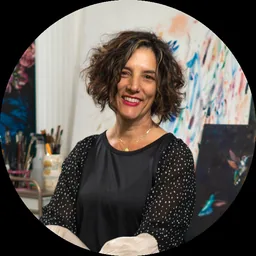
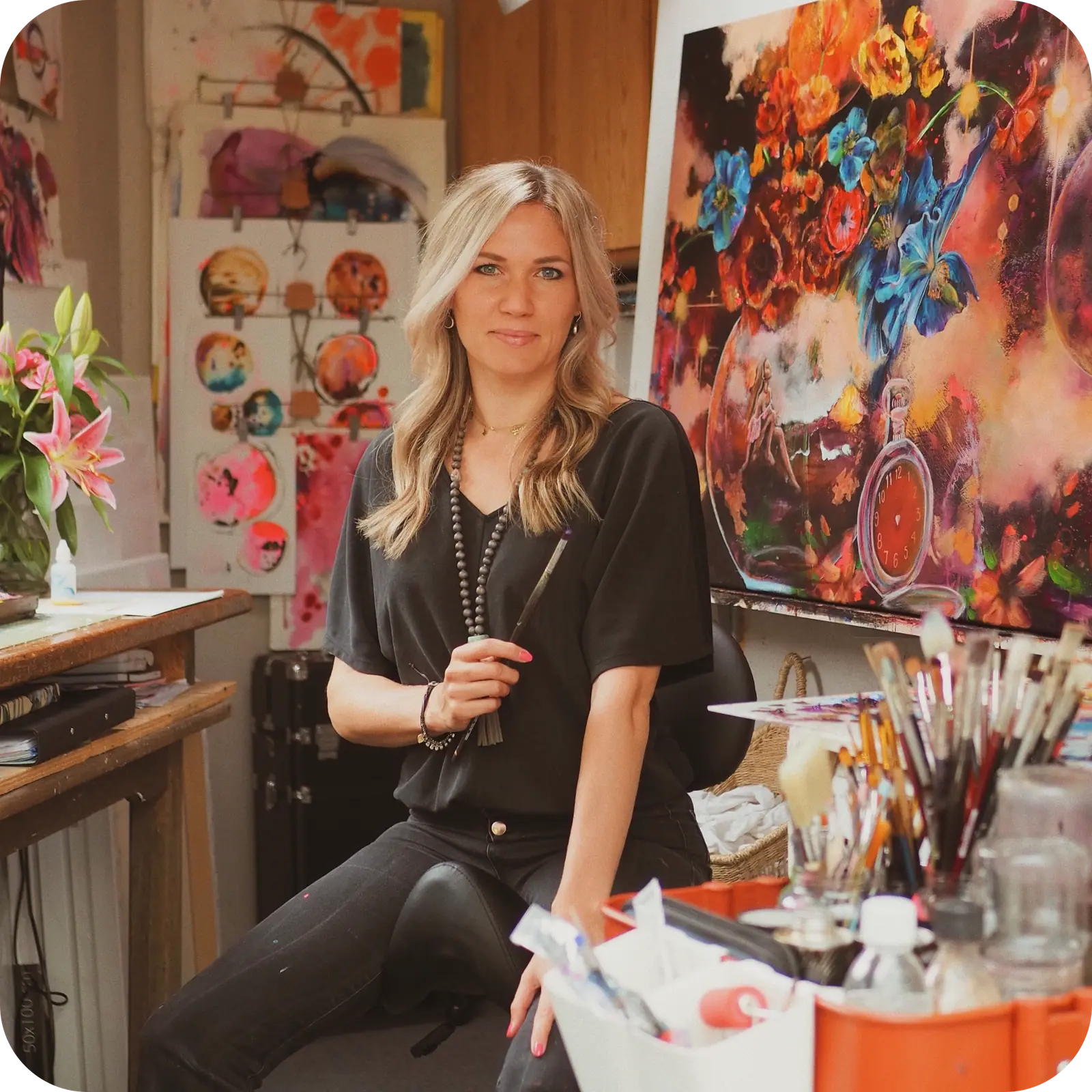
Behind every overnight success is a much longer story, one shaped by experimentation, persistence, and the decision to keep going even when the outcome is not guaranteed. The nine Milan Art Institute Mastery Program graduates below share a common thread: each one moved from uncertainty to clarity by deepening their craft, strengthening their voice, and building the confidence to step into bigger opportunities. These are their milestones, in the form their own stories took.
What did Nicolette van den Hadelkamp’s journey look like?
Nicolette’s journey began in 2019 with the first online cohort and quickly became transformative on both a personal and professional level. A key turning point was the process of discovering her artistic voice, paired with a Greece retreat experience she describes as life changing, where she learned to embrace herself with new confidence. That inner shift translated outward: she won the Redemption Challenge in Season 3 of The Outstanding Artist and began selling work at 3,000 to 4,000 euro per piece. She also credits community support and opportunities like exhibiting in Miami and Sarasota for expanding her professional reach.
How did Bianca Lever turn perfectionism into new ventures?
Bianca’s story is a masterclass in what can happen when an artist breaks free from perfectionism and starts building boldly. During the program she sold 17 pieces, and after graduating her sales continued to grow as her style became consistent and recognizable. That cohesion opened doors, including a collaboration with Italian designer Paul Meccanico for a line of art bags, which she now sells through her own website. In 2024 she also launched a commercial website and began drop shipping fine art prints. Bianca emphasizes how mixed media exploration, plus learning professional skills like newsletters, websites, and tools like Canva and Lightroom, helped her expand both creatively and entrepreneurially.
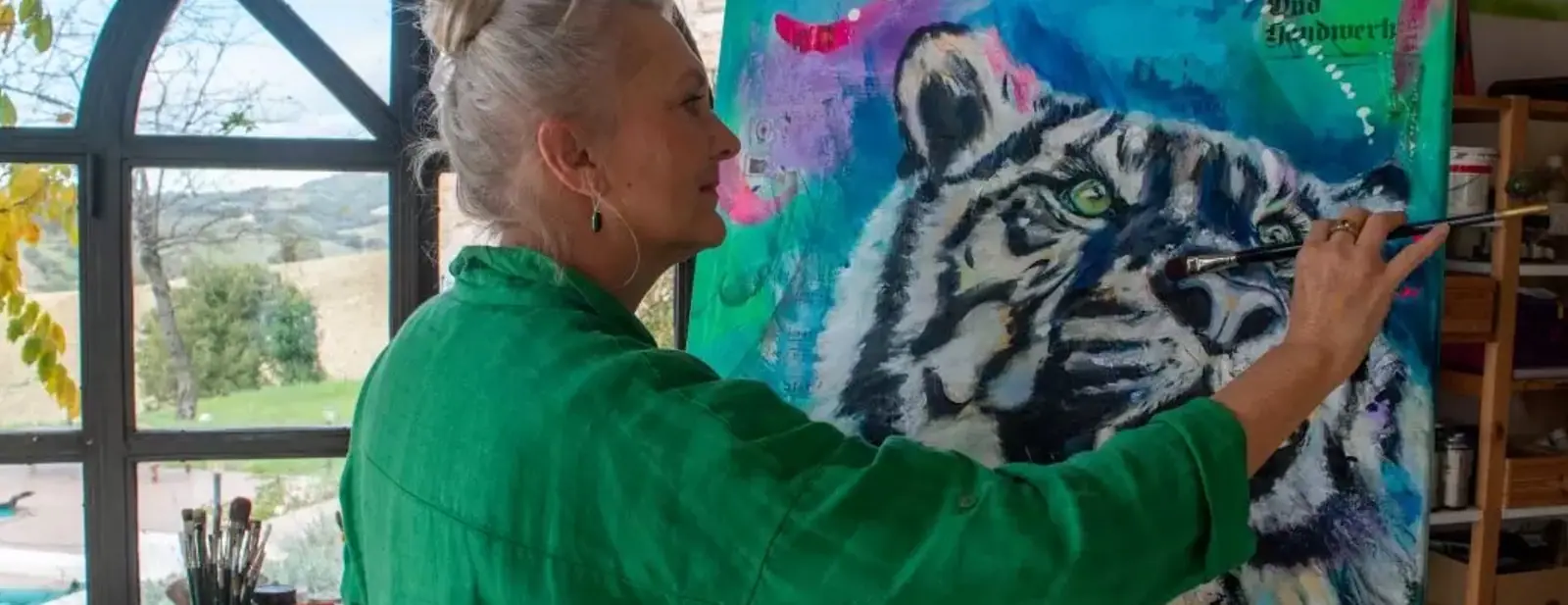
What changed for Eleanor Birch?
Eleanor describes her journey as moving from fear to flourish, especially after learning to put aside hesitation and say yes to opportunities. That mindset shift led to real world traction: her work is sold in local stores, she has participated in solo and group exhibitions, appeared in House and Garden Magazine, had artwork printed on tea tins, and even appeared on local radio. She also evolved from primarily acrylic painting into mixed media, with ink becoming a staple material in her process. One of her proudest milestones was a set of solo exhibitions where she could connect directly with collectors and witness them fall in love with her work. You can read more about her path in our profile of Eleanor Birch.
How did Casey Wakefield use abstract exploration?
Casey’s creative journey centers on permission: permission to fully explore abstract painting and trust her own preferences instead of trying to please everyone. That clarity helped her connect with a gallery early on, join a group show, and eventually earn a place on the artist roster for future shows. A standout milestone was a recent solo gallery show, which she describes as a moment of growth and progression. With mentor guidance, including help balancing art making with everyday life, Casey gained the confidence that being an artist is a profession, not just a hobby.
How did Ritika Aurora build a bold voice?
Ritika’s story highlights how technique can become language. She credits transformative ink work as a key piece in developing a distinctive, powerful artistic voice. Her career momentum includes being chosen for the largest art show in Dubai, and her work is also celebrated in a popular coffee shop in Punjab, showing both international visibility and meaningful local presence. She also notes the role of mentors in helping her build a strong network through shows and community organizations.
How did Tanya Aubut go from grocery clerk to full time artist?
Tanya’s journey is a clear before and after: she went from working as a grocery store clerk to becoming a full time artist. She points to mixed media techniques as a major catalyst, helping her explore and master a range of styles. She also credits the community and connections she built, along with mentor support, for helping her push through challenges like art block and sustain her career through creative work.
How did Stephanie Linden find a distinctive style?
Stephanie entered the program painting spontaneously, but without a clear narrative. Structure and guidance helped her refine her vision, and after graduating she describes herself as a confident artist with a recognizable style blending abstract realism with neon color. She also emphasizes the importance of relationships, engaging with the local art community, and connecting with mentors, plus a practical takeaway: actively showcasing work and meeting people in person, since her sales have happened face to face.
What milestones did Tanya Johnston reach?
Tanya Johnston’s success story centers on belief, specifically the confidence she gained through a year of learning from mentors and engaging deeply with community. Her notable milestones include being featured in Season 3 of The Outstanding Artist, acceptance into the Milan Online Gallery, winning cash prizes in contests, and being accepted by Jiggy, a puzzle company showcasing female artists. She also began doing tent shows, sold her first painting in the Beauty Reigns group show in Miami, and was accepted into multiple juried tent shows, winning First Place in the first Mastery Program Graduate contest. She credits the program with providing a blueprint for a professional art career, while emphasizing consistency and fully submitting to the process.
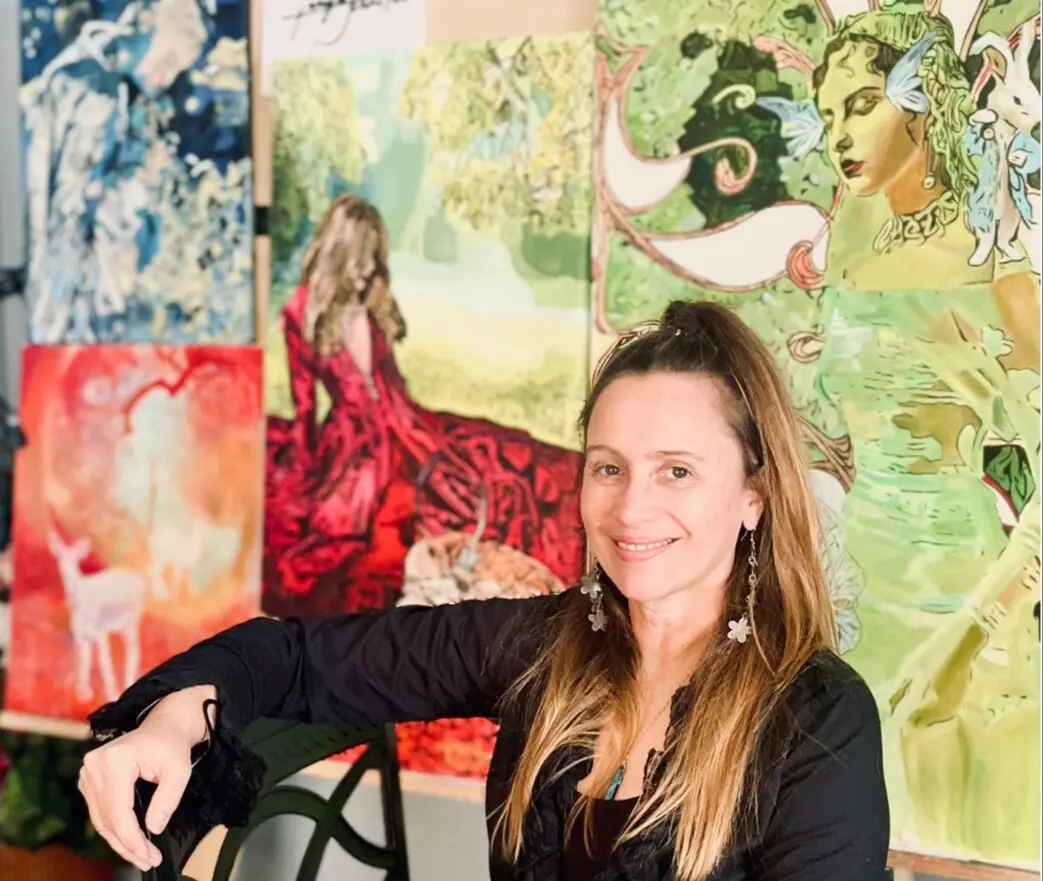
How did Rita Vicari complete a 60 foot mural?
Rita describes the program as the most complete education she could have found, one that equipped her quickly with the knowledge needed to succeed. One of her biggest achievements is a 60 foot long restaurant mural; despite it being her first mural, she says the execution was so professional that people treated her like an experienced artist. Rita also highlights the importance of staying connected with classmates and engaging locally to grow a professional network. Her story stands out for another reason: she began with no prior painting experience and still built the confidence to operate like a working professional.
What is the common thread across these nine stories?
Across these nine journeys the pattern is clear: artistic growth is not just about learning new techniques, it is about becoming the kind of person who keeps creating, keeps refining, and keeps stepping into rooms that once felt intimidating. Whether it is exhibiting internationally, landing collaborations, selling consistently, or completing ambitious projects, each artist shows what is possible when craft and confidence rise together. If you want a longer look at how that arc unfolds for one graduate, our Mastery Program student journey follows the path from blank canvas to a working body of work.
These outcomes were not luck. They came from the same fundamentals any beginner can train: learning to see, building a personal voice, and working consistently. If you are wondering whether that path is open to you, start with the honest case in becoming an artist later in life, then keep going with the rest of the becoming an artist later in life collection. Every artist featured here is a Mastery Program graduate, and many are now mentors guiding artists through the same challenges they once faced.
Frequently asked questions
What is the Milan Art Institute Mastery Program?
The Mastery Program is a one year immersive online art education from the Milan Art Institute, built to take an artist from uncertainty to a working practice. Every graduate featured in this roundup credits it for helping them find a personal voice, strengthen their craft, and build the confidence to exhibit and sell. Many are now mentors guiding new artists.
Do Mastery Program graduates actually sell their art?
Yes. Among these graduates, Nicolette began selling work at 3,000 to 4,000 euro per piece, Bianca sold 17 pieces during the program, Tanya Johnston sold her first painting in a Miami group show, and Stephanie now makes sales face to face in her local community. Outcomes vary by artist, but consistent selling is a recurring theme.
Can you become a full time artist through the Mastery Program?
Some graduates do. Tanya Aubut went from working as a grocery store clerk to becoming a full time artist, crediting mixed media technique, community, and mentor support. Others built professional milestones alongside other commitments. The program provides a blueprint for a professional art career, while the pace of going full time depends on the individual artist.
What kinds of milestones do graduates reach?
The milestones span gallery shows, juried exhibitions, international art fairs, magazine features, and large commissions. Rita Vicari completed a 60 foot restaurant mural as her first mural. Ritika Aurora was chosen for the largest art show in Dubai. Tanya Johnston was accepted into the Milan Online Gallery and a puzzle company showcasing female artists.
What do the graduates say made the difference?
Across all nine stories the pattern is consistent: developing a personal artistic voice, exploring mixed media, learning professional skills like websites and newsletters, and leaning on mentors and community. Most emphasize consistency and fully submitting to the process over raw talent. Craft and confidence grew together, which is what turned practice into a career.
What to practice this week
- Pick one technique a featured artist used, mixed media or ink work, and spend a week building one small study around it instead of chasing a finished piece.
- Make one professional move this month: start an email list, build a simple website, or photograph your work properly, the way these graduates did to expand their reach.
- Say yes to one local opportunity, a group show, a tent show, or a gallery introduction, since nearly every graduate credits in person connection for their first sales.
Supplies used

About the author
More from Elli