Branding for Artists: Build Recognition Without Losing Your Voice
Branding for artists is not a logo or a curated feed. It is recognition that grows from the work itself, when your art communicates a consistent voice over time.


Branding for artists is recognition, not a logo, a color palette, or a perfectly curated feed. It is the ability for someone to recognize your work before they ever see your name attached to it. That recognition does not come from marketing tactics. It comes from clarity in the work itself and from consistency over time, which means the real foundation of your brand is built in the studio, not on a graphic designer’s screen. Build the work first, and the brand emerges from it on its own.
For many artists, the word branding brings up resistance. It can feel corporate, sales-focused, or disconnected from the studio practice that matters most. But branding, approached the right way, has nothing to do with selling out or turning your art into a product. It is simply about helping the right people understand, remember, and connect with your work, without sacrificing authenticity or creative integrity. When branding grows from the work itself, it becomes a natural extension of your artistic voice, not something forced on top of it.
What does branding really mean for artists?
Branding for artists is the ability for someone to recognize your work, even before they see your name attached to it. At its core, it is not a logo, a color palette, or a perfectly curated Instagram feed. Those things may come later, but they are not the foundation.
This recognition comes from clarity. It develops when your work begins to communicate a consistent mood, message, or visual language. Over time, that consistency builds trust with viewers, collectors, and galleries. If your work feels cohesive and intentional, branding is already happening, whether you have ever thought about it in those terms or not. That is the reframe most artists need: the brand is a byproduct of clear work, not a layer you bolt on afterward.
Why does your artistic voice come first?
Strong branding always starts in the studio, because your voice is the thing recognition is built on. Your voice develops through practice, repetition, and exploration. It shows up as recurring themes, subject matter, materials, or emotional qualities. These patterns are not limitations. They are signals that your work is becoming clearer.
Many artists try to define their brand before they have fully committed to their work, and this usually leads to frustration or imitation. True branding cannot be rushed. It emerges as you stay present with your process and allow your work to evolve naturally. When your focus is on creating meaningful work, your brand begins to take shape on its own. If you are still searching for that core voice, our guide on how to find your art style is the place to start, and subject matter in art helps you notice the threads already running through your work.
Why does consistency create recognition?
Consistency creates recognition because it creates clarity, and clarity is what lets people identify your work quickly and confidently. Consistency is one of the most misunderstood concepts in the art world. It is often mistaken for stagnation or lack of growth, when in reality it is the opposite.
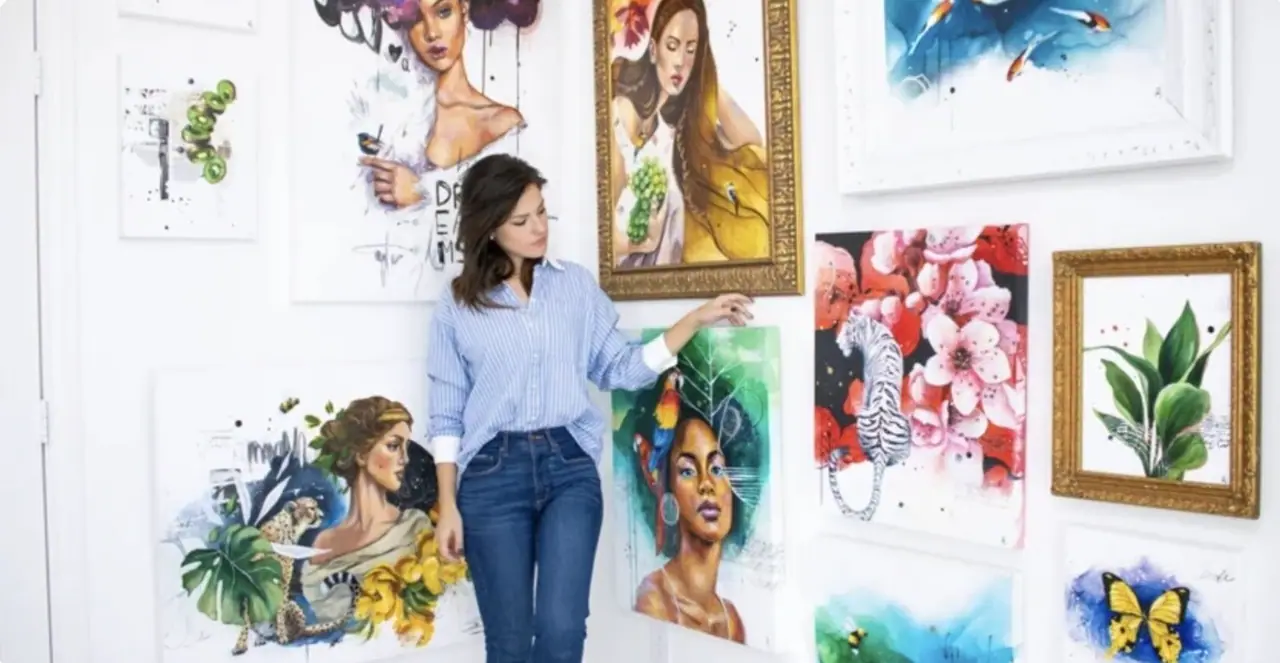
Consistency might show up in your subject matter, your color choices, your materials, or the emotional tone of your work. It can also appear in how you talk about your art, how you share your process, and how you present your work online. This does not mean repeating the same piece over and over. It means refining what matters most and allowing your work to deepen rather than constantly reinventing it. Over time, consistency helps others recognize your work quickly, and that recognition is the entire point. A focused painting series is one of the clearest ways to build that kind of cohesion on purpose.
What are the most common branding mistakes artists make?
The most common branding mistakes come from approaching it from the wrong angle, not from a lack of talent. Many artists struggle here because they reach for the surface of a brand before the work underneath it has matured. A handful of patterns come up again and again, and naming them makes them easy to avoid.
- Branding before the work has matured. Trying to define a brand around work that is still finding itself leads to a brand that does not fit and will not last.
- Copying another artist’s visual identity. Borrowing someone else’s look might feel like a shortcut, but it erases the recognition that only your own voice can build.
- Shifting styles constantly. Changing direction before any idea has time to develop keeps your work from ever becoming recognizable.
- Focusing on logos and aesthetics instead of the work. When the packaging gets more attention than the paintings, the brand has nothing real to stand on.
Branding should support your art, not distract from it. When branding becomes overwhelming, it is often a sign to return to the studio and reconnect with your process. The fix for almost every one of these mistakes is the same: make more clear, committed work, and let the rest follow.
How do you let your brand evolve with you?
Let your brand grow as your work grows, because an artistic brand is not meant to be fixed. As your work deepens, your brand should deepen with it, and the way you guide that is through reflection rather than reinvention.
Look at your body of work as a whole. Notice what repeats, what feels most aligned, and what no longer represents where you are headed. Branding becomes clearer when you allow yourself to refine rather than constantly reset. Trust that clarity develops over time through commitment, not perfection. This is also where you can start thinking about how you present that evolving work to the world, whether that is learning how to promote your art or eventually understanding how to get your art into a gallery, so the outward recognition keeps pace with the work itself.
Quick Answer
Branding for artists is recognition, not a logo or a color palette. It is the ability for someone to know your work before they see your name. That recognition grows from a clear artistic voice and consistency over time, so build the work first and let the brand emerge from it naturally.
Recognition comes from commitment
Building recognition as an artist is not about chasing trends or mastering marketing tactics. It comes from working consistently, staying connected to your voice, and allowing your work to speak for itself. When your art is clear and intentional, branding becomes a natural outcome of your practice. The more you commit to the work, the easier it becomes for others to recognize and connect with it.
Branding does not start with marketing. It starts with mastery. If you are ready to strengthen your artistic voice, build consistency, and create work that feels aligned and recognizable, the Mastery Program is built to support exactly that. It helps artists develop clarity in their work, confidence in their process, and a sustainable path forward through guided education, mentorship, and community. To keep refining the voice underneath your brand, the how to develop your own art style guide goes deeper, and the rest of the find your art style collection is here when you want to keep building a body of work that truly reflects who you are.
Frequently asked questions
What does branding mean for artists?
For artists, branding means recognition, not a logo or a curated feed. It is the ability for someone to recognize your work before they ever see your name attached to it. That recognition comes from clarity, when your work begins to communicate a consistent mood, message, or visual language, and over time that consistency builds trust with viewers, collectors, and galleries.
How do you brand yourself as an artist without losing your voice?
Build your voice first and let the brand grow out of it. Your voice develops through practice, repetition, and exploration, surfacing as recurring themes, materials, or emotional qualities. When branding grows from the work itself, it becomes a natural extension of your voice rather than something forced on top of it, so you never have to choose between recognition and authenticity.
Why is consistency important for artist branding?
Consistency is what creates recognition. It is often mistaken for stagnation, but in reality it creates clarity and helps others identify your work quickly and confidently. Consistency can live in your subject matter, color choices, materials, or emotional tone, and also in how you talk about and present your work. It does not mean repeating one piece, it means refining what matters most.
What branding mistakes do artists make most often?
The common mistakes are trying to brand before the work has matured, copying another artist's visual identity, shifting styles constantly without letting ideas develop, and focusing on logos and aesthetics instead of the work itself. Branding should support your art, not distract from it. When branding feels overwhelming, it is usually a sign to return to the studio and reconnect with your process.
When should an artist start thinking about branding?
Start by committing to the work, because if your work already feels cohesive and intentional, branding is already happening. A logo, palette, or curated feed can come later, but they are not the foundation. Recognition is built by working consistently, staying connected to your voice, and letting your work speak for itself, so the practice always comes before the marketing.
What to practice this week
- Lay out your body of work as a whole and notice what repeats: the subjects, colors, materials, or emotional tone that keep returning. Those patterns are the seeds of your brand.
- Pick the one or two elements that feel most aligned with where you are headed, and deliberately carry them through your next several pieces instead of reinventing each time.
- Write a short, honest sentence describing the mood or message your work communicates, then check whether your recent paintings actually deliver it.
Supplies used

About the author
More from Elli