How to Transition From a Hobby Artist to a Professional Artist: 4 Things to Know
The leap from hobby to profession is not about waiting for inspiration. It is about mindset, daily discipline, and knowing exactly why you paint. Here is the honest version.
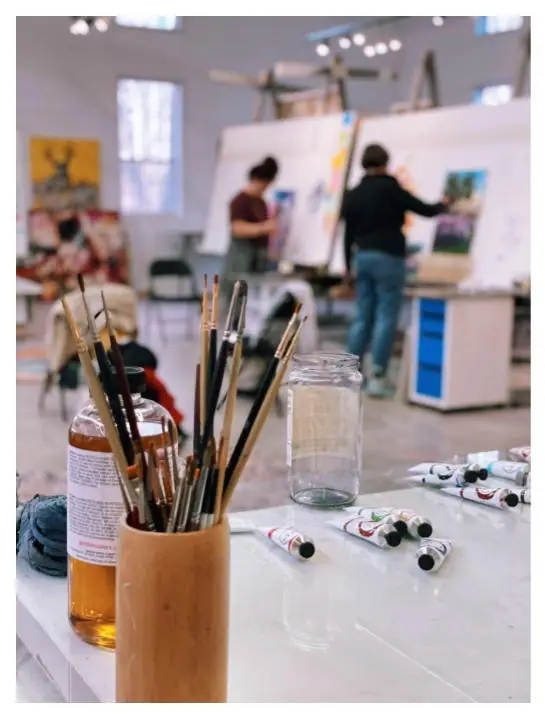
To transition from a hobby artist to a professional artist, change four things. Shift your mindset so art becomes your number one work, not a side passion. Paint every day whether or not you feel inspired, because professionals do not wait for a lightning bolt. Find small tricks to push through the inevitable boredom of full time painting. And get crystal clear on your why, the deeper reason you paint, so nothing can talk you out of it. None of that requires a magic wand. It requires the right mindset and a willingness to do the work.
Here is the honest part most people skip. It is absolutely possible to become a professional artist, and many of our students already have, but it does take work and some know how. If you are tired of your nine to five and ready to make the leap, good. Now roll up your sleeves, because the transition is real and these four shifts are where it starts.
Why does going pro start in your mind?
It starts in your mind because your mindset shapes who you become long before your brush touches canvas. If at the core of your beliefs you simply do not think you can change, then you will not, and there is a real psychological reason for it. Your beliefs drive your decisions. If you believe you are not qualified for a job, you do not apply for it. The same is true for art: you have to believe you can sell your work and make a living from it before any of it becomes real.
This is not a one time fix either. Depending on what is going on in your life, you will likely have to revisit your mindset again and again to make sure it is not quietly holding you back. The belief that matters most is that you can keep growing into a smarter, more skilled artist, no matter where you are starting from.
So here is the practical move. Maybe you have a nine to five you want to quit, and for a dozen good reasons you cannot do it right now. Fine. Change your mindset anyway. Make your art the number one job in your head, and push the paying job into second place. Hold that long enough and it becomes true: the secondary job shrinks, and eventually you arrive at a place where your art genuinely is your number one work. If you are working through whether you have started this journey too late, is it too late to become an artist tackles that fear directly.
Why can’t you paint only when you feel inspired?
Because a true professional does not paint only when the lightning bolt of inspiration strikes. The artist Chuck Close said it plainly: amateurs look for inspiration, the rest of us just get up and go to work. That single distinction separates a hobbyist from a professional more than any amount of natural ability does.
Hobby painters wait expectantly for some amazing idea worth painting. So the paints, the brushes, and the canvases sit there waiting too. Professional artists cannot afford that. Painting is the job, so they just do it, whether they feel like it or not, every day, for several hours a day. You have to do your best work even on the days you would rather do anything else. That discipline is the actual engine of going pro, and it is closely tied to building a real studio practice you keep returning to.
How do you push through boredom when you paint full time?
You push through boredom with small, deliberate tricks, because forty hours a week at the easel guarantees you will sometimes feel bored or stuck on what to paint. That is normal. Often the simple act of being professional, getting up and going to the canvas anyway, is the very thing that breaks the boredom and brings inspiration back.
The Milan family uses two tricks worth stealing. Elli Milan tricks her brain by setting a time limit to finish a work. She loves the end result but can get bogged down in the in between stages, so she gives herself a deadline: in three hours, this piece is done. Dimitra Milan, on the other hand, keeps multiple pieces going at the same time. The moment one subject bores her, she switches to another, and that switch wakes her mind back up and lets her brushes flow with fresh energy.
Both work because they treat boredom as a problem to solve, not a reason to stop. And while it is true that you mostly just need to do the work, staying inspired still matters. There are plenty of reliable ways to refill the tank, and our guide on art inspiration walks through how to get back into your creative groove when the well runs dry.
Why do you need to know your why?
You need to know your why because it is the core thing that carries you through the entire transition. Elli points out that ultimately, the deepest thing you must understand is your motivation: the thing that drives you, the reason you get up every day to paint. If you do not know that reason, the transition can feel brutal and even futile. With it, you have fuel that no setback can drain.
To get clear on yours, sit with a few hard questions:
- How badly do I want this?
- How badly do I want to become a professional artist?
- How important is becoming a professional artist to me, really?
- How hard am I willing to fight for it?
- What would it actually take for me to quit painting?
- How many rejections would it take to make me stop?
Answer those honestly. When you reach the point where nothing can stop you from being tenaciously dedicated to this pursuit, where no number of rejections is enough to make you quit, then you can be confident of one thing: it will happen. That kind of clarity is also what sustains the long game of professional development for artists, which is less about one breakthrough and more about staying the course for years.
What is the difference between a hobbyist and a professional?
The difference is mindset, discipline, and clarity of purpose, far more than raw talent. A hobbyist waits for inspiration, paints when the mood strikes, and treats art as a thing they get to do. A professional decides art is the work, shows up daily whether or not they feel like it, solves their own boredom, and knows exactly why they are doing it. That shift in identity is the whole leap.
It is worth saying plainly that this is learnable, not magic. Becoming a working artist takes real effort and some know how, but it is open to anyone willing to commit. If you want the full roadmap beyond these four shifts, the how to become a professional artist guide lays out the complete step by step path. And the rest of the becoming an artist later in life collection is here for whatever stage you are in.
The Mastery Program exists to guide artists through exactly this transition, with expert training, mentorship, and a community that has made the leap before you. If you are ready to stop waiting and start building a real art career, that is the next step.
Frequently asked questions
How do you transition from a hobby artist to a professional artist?
Start by changing your mindset so art becomes your number one work, even if a day job still pays the bills for now. Then paint every day whether or not you feel inspired, because professionals treat painting as a job rather than a mood. Find ways to push through boredom, and get clear on the deeper reason you paint so setbacks cannot stop you.
Do professional artists wait for inspiration to paint?
No. Professional artists treat painting as work and show up whether or not inspiration arrives. As the artist Chuck Close put it, amateurs look for inspiration while the rest just get up and go to work. Hobbyists tend to wait for a great idea, so their paints sit unused. Going pro means painting on schedule, even on the days you do not feel like it.
How do you stay motivated to paint full time?
Use small tricks to keep momentum when boredom hits. Setting a time limit to finish a piece keeps you from getting bogged down in the middle stages. Working on several paintings at once lets you switch when one subject loses your interest. Most of all, knowing your deeper why is the fuel that carries you through the dull and difficult stretches.
What is the most important thing to know before going pro as an artist?
Know your why. The core thing you need to transition from hobby to profession is a clear understanding of your motivation, the reason you get up every day to paint. Without that reason, the transition can feel brutal and even futile. When nothing can talk you out of the pursuit, going professional becomes a matter of time, not luck.
Can a hobby artist really become a professional artist?
Yes. Many working artists started as hobbyists, and many of our Mastery Program graduates have made that exact transition. It is not instant and it does take real work and some know-how, but it is absolutely achievable. The difference between a hobbyist and a professional is mostly mindset, discipline, and clarity of purpose, not raw talent.
What to practice this week
- Set a time limit for your next painting, for example three hours, to push past the slow middle stage and actually finish the piece.
- Keep two or three paintings going at once so you can switch the moment one subject bores you, instead of stalling.
- Write down your why in one sentence and pin it where you paint, then revisit it whenever your motivation dips.
Supplies used
About the author
More from Elli